What is Connected Car Tech?
The term “connected car” refers to vehicles equipped with technologies that allow them to communicate with the outside world and other devices. This connectivity is achieved through various means, most commonly via embedded cellular connections (like your smartphone), Wi-Fi hotspots, and Bluetooth. This connectivity enables a plethora of features, transforming the driving experience from a purely mechanical activity to a much more interactive and informed one.
Safety Features Enhanced by Connectivity
Safety is a primary benefit of connected car technology. Features like automatic emergency braking (AEB), lane departure warnings, and blind-spot monitoring are significantly improved with connectivity. Data from other vehicles and infrastructure, transmitted in real-time, provides a more comprehensive picture of potential hazards, allowing the car’s systems to react faster and more effectively. Furthermore, features like eCall automatically alert emergency services in the event of a serious accident, providing vital location data that can save lives.
Infotainment and Navigation Revolutionized
Gone are the days of fumbling with paper maps and confusing GPS devices. Connected car technology offers seamless integration with navigation systems. Real-time traffic updates, alternative route suggestions, and even parking availability information are readily available at your fingertips. Beyond navigation, in-car infotainment systems offer streaming music services, hands-free calling, and even voice-activated control of various vehicle functions, keeping you connected and entertained while ensuring a safer driving experience.
Remote Vehicle Access and Control
Imagine being able to remotely lock or unlock your car, check its fuel level, or even start the engine from your phone. Connected car technology makes this a reality. These features offer immense convenience and peace of mind, especially in situations where you’re unsure if you locked your car or need to pre-cool it on a hot day. Some systems even allow for remote diagnostics, alerting you to potential mechanical issues before they become major problems.
Over-the-Air Software Updates
Just like your smartphone, connected cars receive software updates over the air. This eliminates the need for time-consuming trips to the dealership for minor software updates and ensures that your car always has the latest security patches and features. This constant evolution keeps the technology relevant and prevents obsolescence, maximizing your vehicle’s lifespan and technological capabilities.
Data Privacy and Security Concerns
While the advantages of connected car technology are numerous, it’s essential to address the concerns surrounding data privacy and security. Connected cars collect vast amounts of data, ranging from your driving habits to your location history. It’s crucial to understand how this data is being used, stored, and protected. Choosing reputable manufacturers and carefully reviewing their privacy policies is essential to ensure your data remains safe and secure. Furthermore, staying informed about emerging security threats and best practices is equally important in safeguarding your connected car from potential vulnerabilities.
The Future of Connected Car Technology
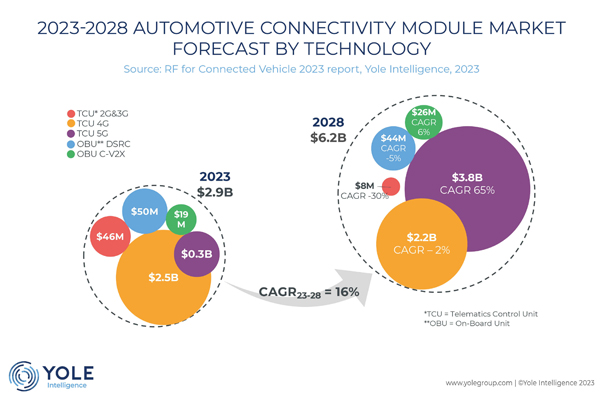
The future of connected car technology is incredibly exciting. We can expect even greater levels of automation, including advanced driver-assistance systems (ADAS) that pave the way for autonomous driving. The integration of artificial intelligence (AI) will enable cars to learn driving habits and preferences, further personalizing the driving experience. The ongoing development of 5G networks promises even faster data speeds and more reliable connectivity, opening up new possibilities for innovative features and applications. The journey towards a truly connected and intelligent transportation system is well underway, promising a future where driving is safer, more convenient, and more enjoyable than ever before. Please click here to learn more about the connected cars technology market.
About the Author
