The Power of a Wet Nose: More Than Just Cuteness
We all know the irresistible charm of a wet nose nudging our hand, the soft thump of a tail against the floor, the unwavering loyalty in a pet’s eyes. But beyond the undeniable cuteness and companionship, our furry, feathered, and scaled friends play a vital role in our lives, contributing to our well-being in ways we often overlook. The impact of pets, especially on mental and emotional health, is increasingly recognized by medical professionals and researchers alike. Their presence offers comfort, reduces stress, and provides a sense of purpose and unconditional love.
Therapeutic Companionship: Alleviating Loneliness and Anxiety
For many, pets are more than just companions; they are family. This bond is particularly powerful for individuals facing loneliness or isolation. Studies have shown a strong correlation between pet ownership and reduced feelings of loneliness, especially among the elderly and those living alone. The responsibility of caring for a pet can provide a sense of purpose and routine, combating feelings of helplessness and depression. The simple act of petting an animal has been shown to lower cortisol levels (the stress hormone) and increase oxytocin levels (the “love hormone”), contributing to a sense of calm and well-being.
Beyond Companionship: The Role of Service Animals
The impact of animals extends far beyond the realm of emotional support. Service animals provide invaluable assistance to individuals with disabilities, enhancing their independence and quality of life. Guide dogs for the visually impaired, hearing dogs for the deaf, and service dogs for people with mobility issues or other conditions offer critical support, enabling their handlers to navigate the world more safely and confidently. These highly trained animals are integral to their handlers’ well-being, representing a lifeline of independence and freedom.
Animal-Assisted Therapy: Healing Through Interaction
Animal-assisted therapy (AAT) is a growing field that utilizes the human-animal bond to improve physical, social, emotional, and cognitive function. Trained therapy animals, often dogs but also other species, are used in various settings, including hospitals, nursing homes, and schools, to interact with individuals needing therapeutic support. AAT has been shown to be effective in reducing anxiety, improving mood, and promoting social interaction, particularly for individuals recovering from trauma or facing chronic illnesses.
The Unseen Impact: Emotional Regulation and Social Skills
The benefits of interacting with animals extend beyond clinical settings. For children, pets can help develop empathy, responsibility, and social skills. Caring for a pet teaches valuable lessons about patience, compassion, and commitment. The unconditional love a pet offers provides a safe space for emotional expression and helps children learn to regulate their emotions. Moreover, interacting with animals can help children develop stronger social skills, as caring for a pet often involves interaction with others at the park, vet, or pet store.
Protecting Our Planet: The Role of Animals in Conservation
Beyond the direct impact on human well-being, animals play a crucial role in maintaining the health of our planet. Their contributions to biodiversity, pollination, and ecosystem balance are essential for a thriving environment. Conservation efforts focusing on endangered species and habitat preservation not only protect animal populations but also safeguard the future of our planet. Supporting organizations dedicated to animal welfare and conservation directly contributes to a healthier and more sustainable world.
Supporting Animal Welfare: Making a Difference
There are numerous ways to make a positive impact on the lives of animals. Adopting a pet from a shelter gives a deserving animal a loving home, reducing euthanasia rates and freeing up space for other animals in need. Volunteering at an animal shelter or rescue organization provides valuable assistance to animals in need. Donating to animal welfare charities helps support crucial work in animal rescue, rehabilitation, and conservation. Even small actions, like responsible pet ownership and supporting businesses that prioritize animal welfare, can make a significant difference.
A Collaborative Effort: Working Towards a Better Future for Animals
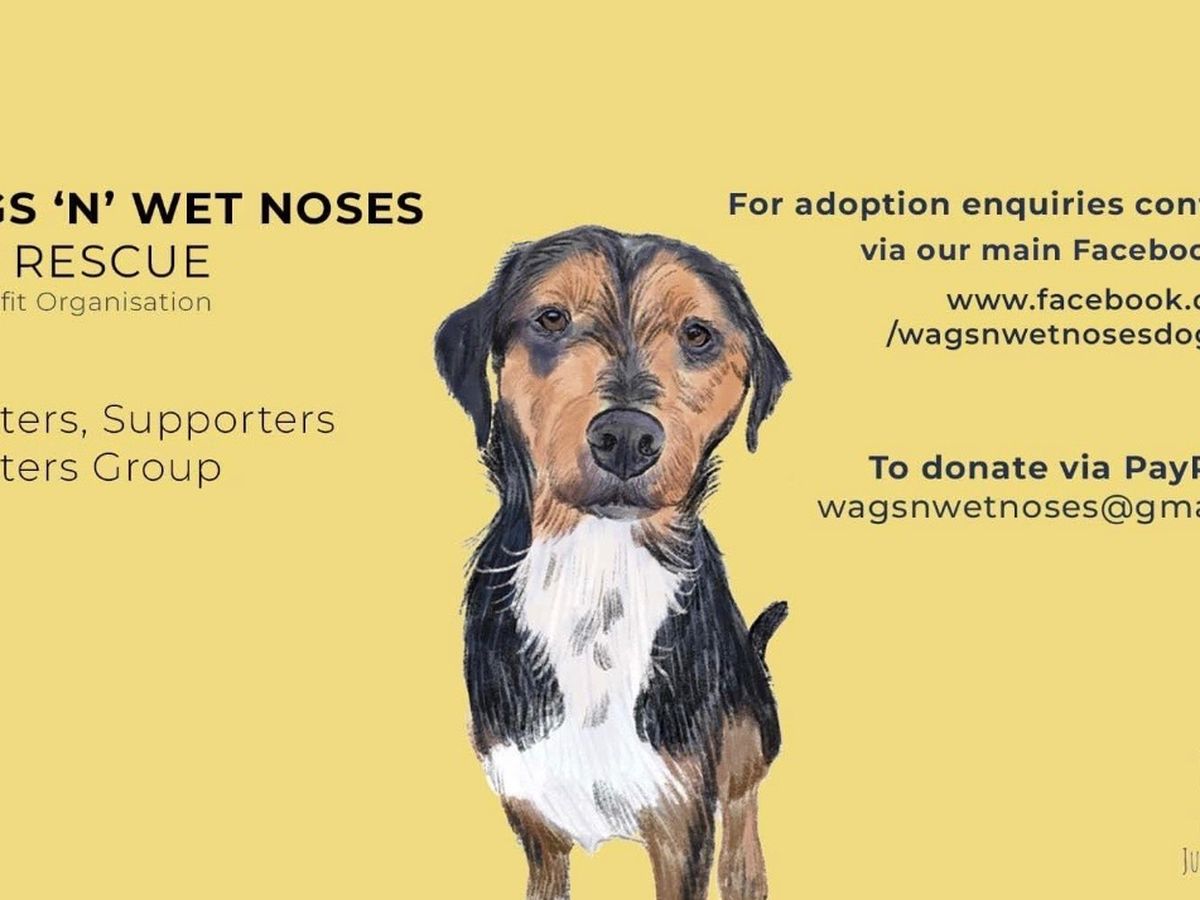
The well-being of animals is inextricably linked to the well-being of our planet and its inhabitants. By recognizing the multifaceted contributions of animals and actively supporting animal welfare initiatives, we can work towards a future where all creatures, great and small, thrive. The impact of a wet nose, a wagging tail, or a soft purr is far-reaching, extending beyond individual companionship to create a more compassionate and sustainable world for us all. Please click here to learn more about Wet Noses Animal Rescue & Adoption.
About the Author
