What Inclusive Growth Isn’t
Often, the term “inclusive growth” gets conflated with simply boosting overall economic growth. While a rising tide might lift some boats, it doesn’t automatically mean everyone benefits equally. Inclusive growth isn’t just about a bigger pie; it’s about ensuring everyone gets a fair slice. Focusing solely on GDP increases can exacerbate existing inequalities, leaving marginalized communities further behind. Genuine inclusive growth requires a more nuanced approach, one that directly addresses disparities in opportunity and access.
Beyond Economic Indicators: A Holistic View
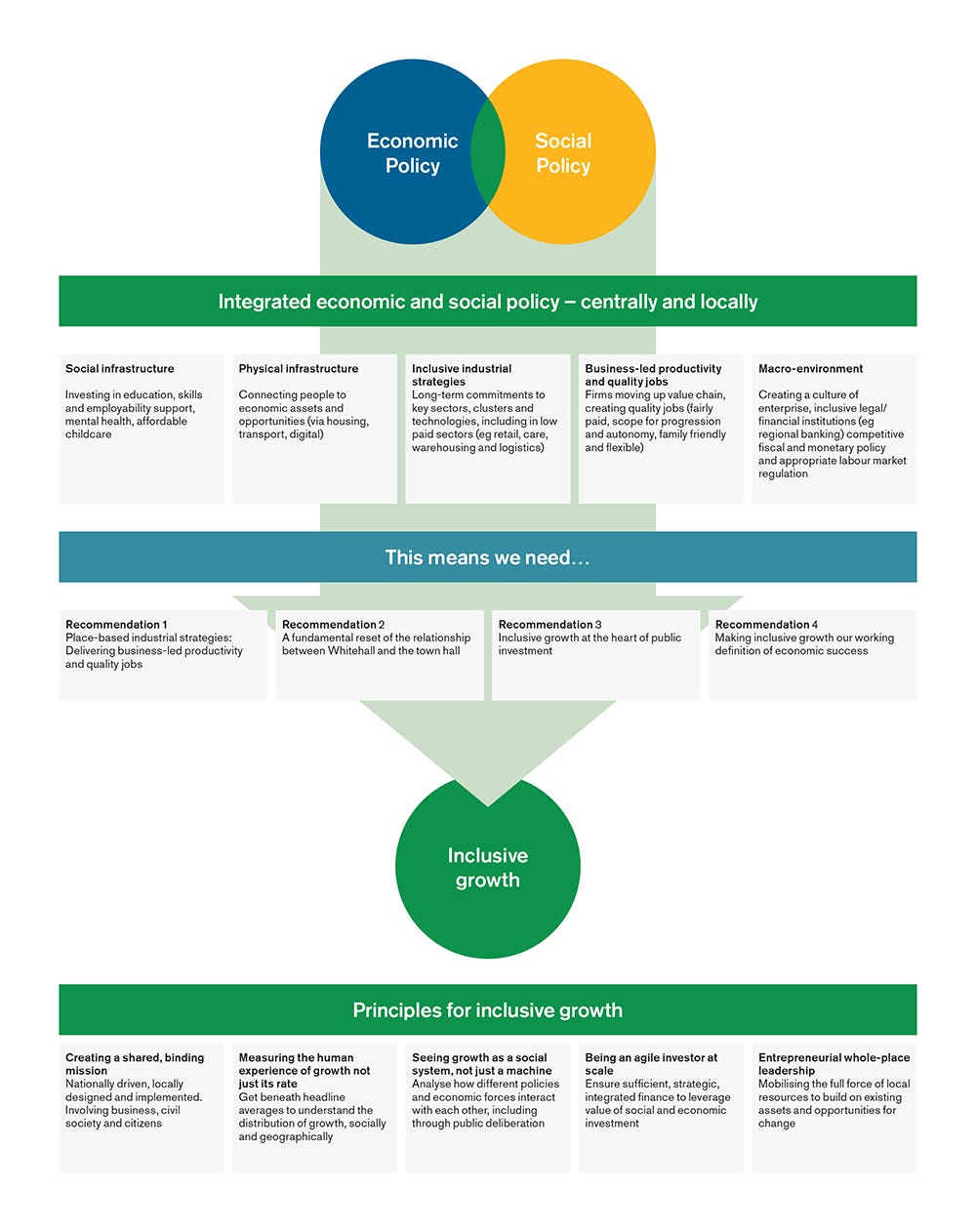
Measuring inclusive growth goes beyond standard economic metrics like GDP per capita. We need to look at a broader spectrum of indicators to paint a complete picture. This includes things like income distribution, employment rates across different demographics, access to quality education and healthcare, environmental sustainability, and the reduction of social inequalities. A truly inclusive approach recognizes that economic well-being is intricately linked to social, environmental, and political factors. A healthy society, with robust social safety nets and equal opportunities, is the foundation upon which inclusive growth thrives.
The Importance of Opportunity and Access
At the heart of inclusive growth lies the concept of equal opportunity. This means ensuring everyone has access to quality education, healthcare, decent employment, and financial services. Barriers based on gender, race, ethnicity, disability, or geographic location must be actively dismantled. This requires targeted interventions and policies that address the specific needs and challenges faced by marginalized groups. For example, initiatives promoting women’s economic empowerment, investing in infrastructure in underserved areas, and providing accessible technology are all crucial components.
The Role of Government and Policy
Governments play a vital role in fostering inclusive growth through strategic policymaking. This involves creating a level playing field, promoting competition, and investing in human capital. Progressive taxation policies can help redistribute wealth and reduce income inequality. Targeted social safety nets, including unemployment benefits, affordable housing programs, and food assistance, can protect vulnerable populations during economic downturns. Furthermore, investing in infrastructure, particularly in underserved communities, can stimulate local economies and create job opportunities.
The Private Sector’s Contribution
The private sector also has a critical role to play in achieving inclusive growth. Businesses can promote diversity and inclusion within their own organizations, creating equitable workplaces and opportunities for everyone. They can also invest in sustainable practices that benefit both the environment and local communities. Supporting local businesses and suppliers can stimulate economic activity in underserved areas. Corporate social responsibility initiatives that address social and environmental issues can contribute significantly to more inclusive outcomes. Ultimately, a collaborative effort between the public and private sectors is needed.
Measuring Progress and Accountability
Regularly monitoring and evaluating progress towards inclusive growth is essential. This requires robust data collection and analysis, using a comprehensive set of indicators. Transparent reporting on progress, including identifying areas where efforts are falling short, is critical. This data allows policymakers and businesses to adapt strategies and allocate resources effectively. Furthermore, holding stakeholders accountable for their contribution to inclusive growth is crucial for ensuring genuine progress. This includes promoting transparency and participation from all sectors of society.
Sustainable and Equitable Development
Inclusive growth isn’t just about short-term gains; it’s about building a sustainable and equitable future for everyone. This requires a long-term perspective that considers the environmental and social impacts of economic activity. Sustainable development practices, such as transitioning to renewable energy sources and promoting responsible resource management, are essential for ensuring that economic progress doesn’t come at the expense of the planet or future generations. Equitable access to resources and opportunities must be at the core of any sustainable development strategy.
Challenges and Opportunities
The path towards inclusive growth is not without its challenges. Addressing deeply entrenched inequalities requires sustained effort and political will. Overcoming resistance to change, ensuring equitable access to resources, and managing competing interests will require innovative solutions and collaborative partnerships. However, the opportunities are significant. By fostering inclusive growth, societies can build stronger, more resilient, and more equitable economies that benefit everyone, leading to a more just and prosperous future. Read also about inclusive economic development definition.
About the Author
